
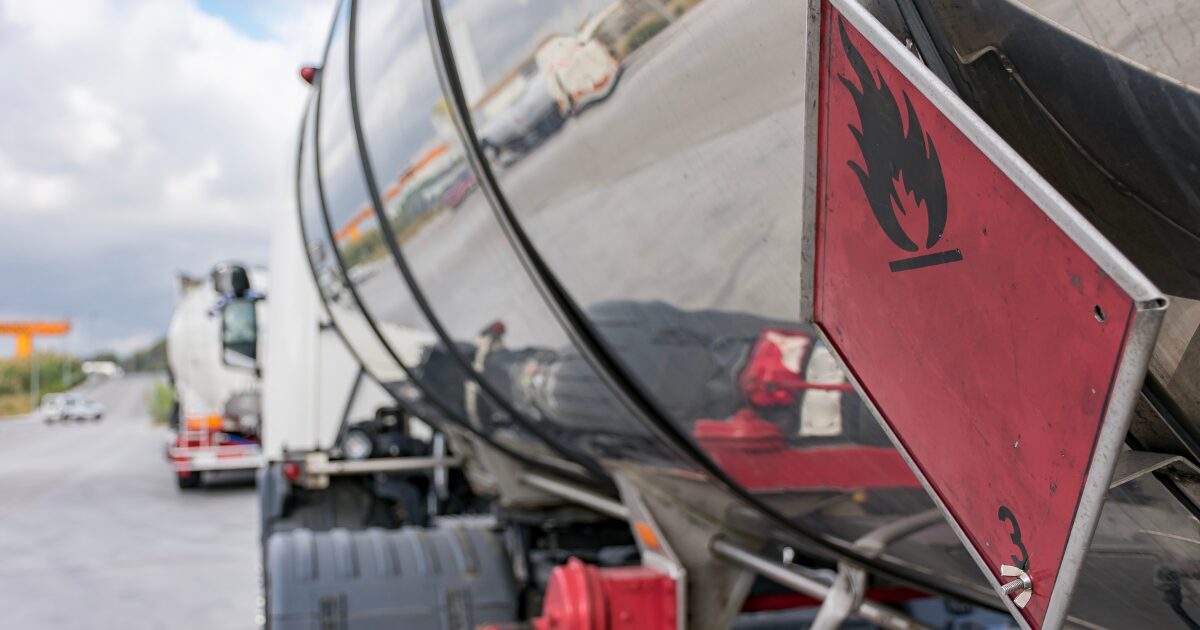
Transporting dangerous goods requires strict attention to safety, documentation and international regulations. Whether goods move by road, rail, sea, inland waterway or air, every step must follow clear rules designed to protect people, the environment and the transport network.
Dangerous goods can include chemicals, flammable liquids, toxic gases, corrosive substances, batteries, hazardous waste and radioactive materials. Because these shipments may carry serious risks, companies need more than a standard transport solution. They need proper classification, approved packaging, accurate labelling, trained personnel and a logistics partner who understands the regulatory framework.
In this article, we look at the main requirements for dangerous goods transport, the role of international regulations, and the practical considerations companies should keep in mind when shipping hazardous cargo in Hungary and across Europe.
Why Dangerous Goods Transport Is Strictly Regulated
Dangerous goods can create risks during loading, storage, transit and unloading. A small mistake in packaging, labelling or documentation may lead to serious consequences, including leaks, fire, environmental contamination, delays, fines or safety incidents.
For this reason, dangerous goods transport follows strict international and national rules. These regulations define how hazardous materials must be packed, marked, documented, handled and transported. They also set requirements for vehicles, containers, equipment and personnel training.
The goal is simple: to move dangerous goods safely while reducing risk at every stage of the supply chain.
Key International Regulations for Dangerous Goods
Different transport modes follow different regulatory systems. Although each mode has its own specific rules, they all share the same purpose: safe and controlled transport.
ADR for Road Transport
ADR is the European agreement that regulates the international transport of dangerous goods by road. It defines the rules for classification, packaging, labelling, documentation, vehicle equipment and driver training.
For road freight, ADR compliance is essential. Drivers must hold the required qualification, vehicles must meet technical and safety standards, and shipments must carry the correct documents and hazard markings.
RID for Rail Transport
RID regulates the transport of dangerous goods by rail. It follows similar safety principles to ADR but applies them to rail operations. It covers packaging, tank wagons, labelling, documentation and operational safety.
Rail can be an efficient option for certain hazardous goods, especially when larger volumes need to move over long distances. However, strict compliance remains essential throughout the full transport chain.
ADN and IMDG for Water and Sea Transport
For inland waterways, dangerous goods transport follows ADN regulations. For sea freight, the IMO IMDG Code provides the main international framework.
These regulations define how dangerous goods must be packed, loaded, separated, marked and documented on vessels. Sea and water transport can handle large quantities efficiently, but the environmental risks can be significant. This makes proper handling, storage and emergency planning especially important.
IATA Regulations for Air Freight
Air freight is one of the most strictly controlled transport modes for dangerous goods. Not every hazardous material can travel by air. Those that can must follow precise packaging, labelling and documentation rules.
Airlines and cargo handlers carefully inspect dangerous goods before acceptance. Because aviation safety leaves no room for error, staff training, approved packaging and accurate documentation play a critical role.
Basic Requirements for Safe Dangerous Goods Transport
Safe dangerous goods transport depends on three main pillars: packaging, documentation and trained personnel.
1. Correct Packaging and Labelling
Dangerous goods must use packaging that can withstand the physical and chemical conditions of transport. This may include approved boxes, drums, containers, tanks or special packaging systems.
The packaging must match the type and risk level of the goods. For example, flammable liquids, corrosive substances and toxic materials all require different packaging solutions.
Clear labelling is equally important. Hazard labels, pictograms, UN numbers and handling marks allow drivers, warehouse staff, customs authorities and emergency services to identify the risk immediately.
2. Accurate Documentation
Documentation plays a central role in dangerous goods transport. Transport documents must include the correct technical name of the goods, UN number, hazard class, packing group, transport category and emergency information where required.
Incomplete or incorrect documents can lead to delays, penalties or refusal of transport. In an emergency, poor documentation can also slow down response teams and increase the level of risk.
For importers, exporters and manufacturers, this means that dangerous goods shipments should always be prepared with extra care before booking transport.
3. Trained Drivers and Logistics Personnel
The human factor is one of the most important elements of safe dangerous goods logistics. Drivers, warehouse staff, freight forwarders and other logistics professionals must understand how to handle hazardous cargo correctly.
They need to know what to do in case of leakage, fire, damaged packaging or an accident. Regular training and clear emergency procedures help reduce risk and improve response time.
A well-prepared team can prevent many problems before they turn into serious incidents.
Dangerous Goods Transport by Different Transport Modes
Road Freight
Road freight is one of the most common ways to move dangerous goods. It offers flexibility and fast access to many destinations, but it also carries risks because vehicles travel through public roads, cities and industrial areas.
ADR rules must be followed carefully. This includes vehicle inspections, driver qualifications, correct route planning and compliance with local restrictions. In some cities and zones, vehicles carrying dangerous goods may face entry limits or route restrictions.
Sea and Water Transport
Sea and inland waterway transport can move large volumes of dangerous goods efficiently. This makes it an important option for international trade.
However, incidents at sea or on rivers may have serious environmental consequences. That is why vessel requirements, cargo separation, loading procedures and emergency equipment must meet strict standards.
Air Freight
Air freight is the fastest option, but also one of the most sensitive for dangerous goods. Certain materials cannot be transported by air at all, while others require special approval, packaging and documentation.
Before shipping dangerous goods by air, companies must confirm whether the goods are accepted by the airline and whether they meet IATA requirements. Even small documentation or packaging errors can result in rejection.
Rail Freight
Rail can be a strong option for larger shipments and long-distance transport. It can also support more sustainable logistics strategies. However, dangerous goods by rail still require strict planning, correct documentation and full compliance with RID rules.
Rail transport may also form part of a multimodal solution, combined with road freight, sea freight or warehousing.
Dangerous Goods Transport in Hungary
In Hungary, dangerous goods transport follows the international rules applied across the European Union, supported by national regulations and local enforcement.
ADR and RID requirements apply to road and rail transport, while air, sea and inland waterway shipments must follow their relevant international frameworks. Hungarian authorities regularly inspect vehicles, transport documents, packaging and compliance with safety standards.
Companies that handle dangerous goods must ensure that their vehicles, drivers, warehouses and logistics procedures meet the required standards. This includes ADR-certified drivers, suitable storage conditions, fire safety measures and correct documentation.
Route restrictions are also important in Hungary. In Budapest and other larger cities, dangerous goods vehicles may face entry restrictions or must use designated routes. These rules help protect populated areas and reduce the risk of incidents in dense urban traffic.
What Companies Should Check Before Shipping Dangerous Goods
Before arranging transport, companies should clarify the following details:
- What is the exact product or substance being shipped?
- Does it have a UN number or hazard classification?
- What packaging is required?
- Is the shipment allowed by the selected transport mode?
- Are the documents complete and accurate?
- Does the carrier have the necessary permits and trained personnel?
- Are there any route restrictions or storage requirements?
- Is customs clearance needed?
- Does the shipment require special handling, temperature control or segregation?
These questions help avoid delays, rejected shipments and unnecessary risks.
Working With the Right Logistics Partner
Dangerous goods transport is not only about moving cargo from one location to another. It requires planning, regulatory knowledge, communication and careful coordination between shippers, freight forwarders, carriers, warehouses and authorities.
A reliable logistics partner can help select the right transport mode, check documentation, coordinate customs procedures and plan the safest route. This is especially important when dangerous goods move across borders or require multimodal transport.
At Sky-Log, we support companies with tailored freight forwarding solutions across road, air, sea and rail, combined with customs handling and warehousing support. Our goal is to make complex logistics clearer, safer and easier to manage.
Need Support With Dangerous Goods Transport?
If you need to ship dangerous goods, the first step is to identify the cargo correctly and check the applicable transport requirements.
Sky-Log helps businesses plan reliable logistics solutions with clear communication, practical support and personal service from the first quote to final delivery.
Contact our team to discuss your shipment and find the safest, most efficient transport option.